


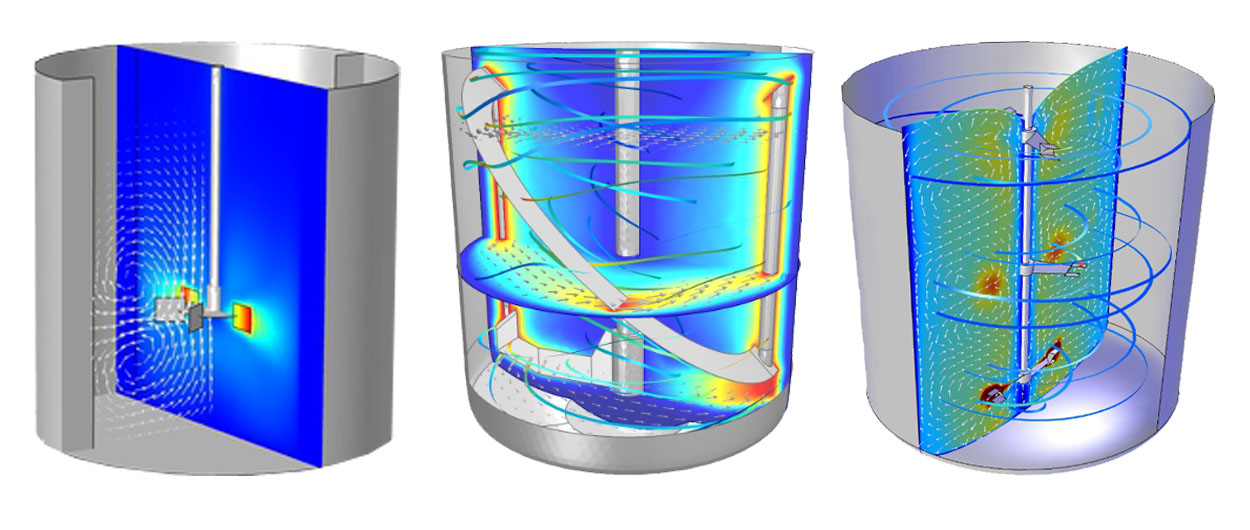
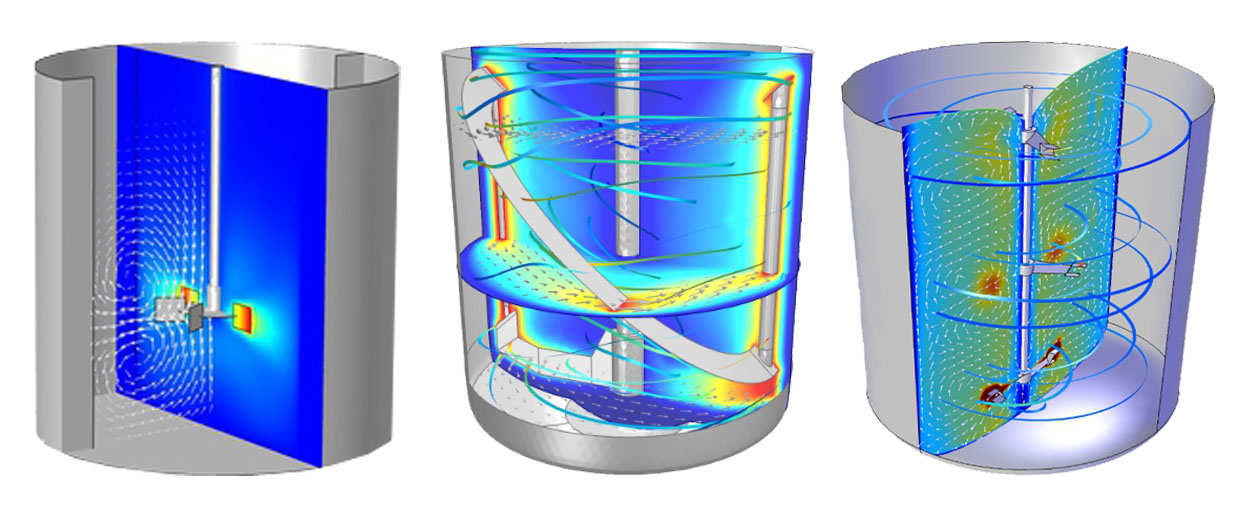
The main types of change of birth are divided into three ways: mechanical, pneumatic and circulating. In Danish hour, in the most popular and effective way, mixing is mechanical. Daniy is a way of mixing up a lot of things before you go without a perfect inflow of annexes (mixers) to the middle of the day.
The main types of fluid mixing are divided into three methods: mechanical, pneumatic and circulation. Currently, the most common and effective mixing method is mechanical. This method of mixing implies the direct action of the device (mixer) on the liquid medium.
The primary factor affecting mixing quality is the type of fluid flow. In turn, the type of flow depends on the shape and size of the mixing device (mixer), the number of revolutions, and also on the power of the mixer drive. Two forms of motion (flow) are possible in a liquid: laminar motion and turbulent.
Laminar flow is a flow in which fluids move in layers without mixing.
The transition from the laminar to the turbulent type is observed when a certain fluid velocity is reached. Turbulent flow is a fluid flow accompanied by intense mixing.
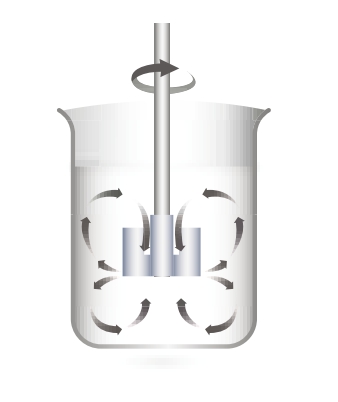
Depending on the shape of the mixer, turbulent motion is divided into: tangential, radial, axial (axial) and mixed.
|
|
|
 1
1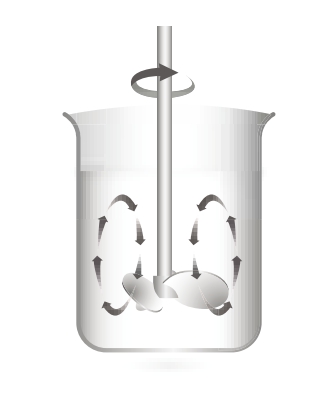 2
2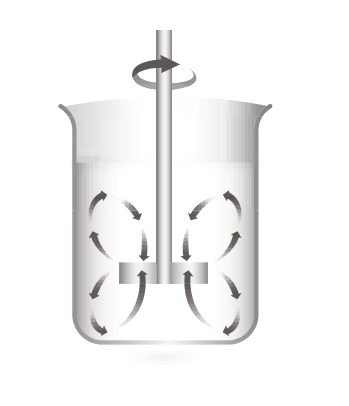 3
3